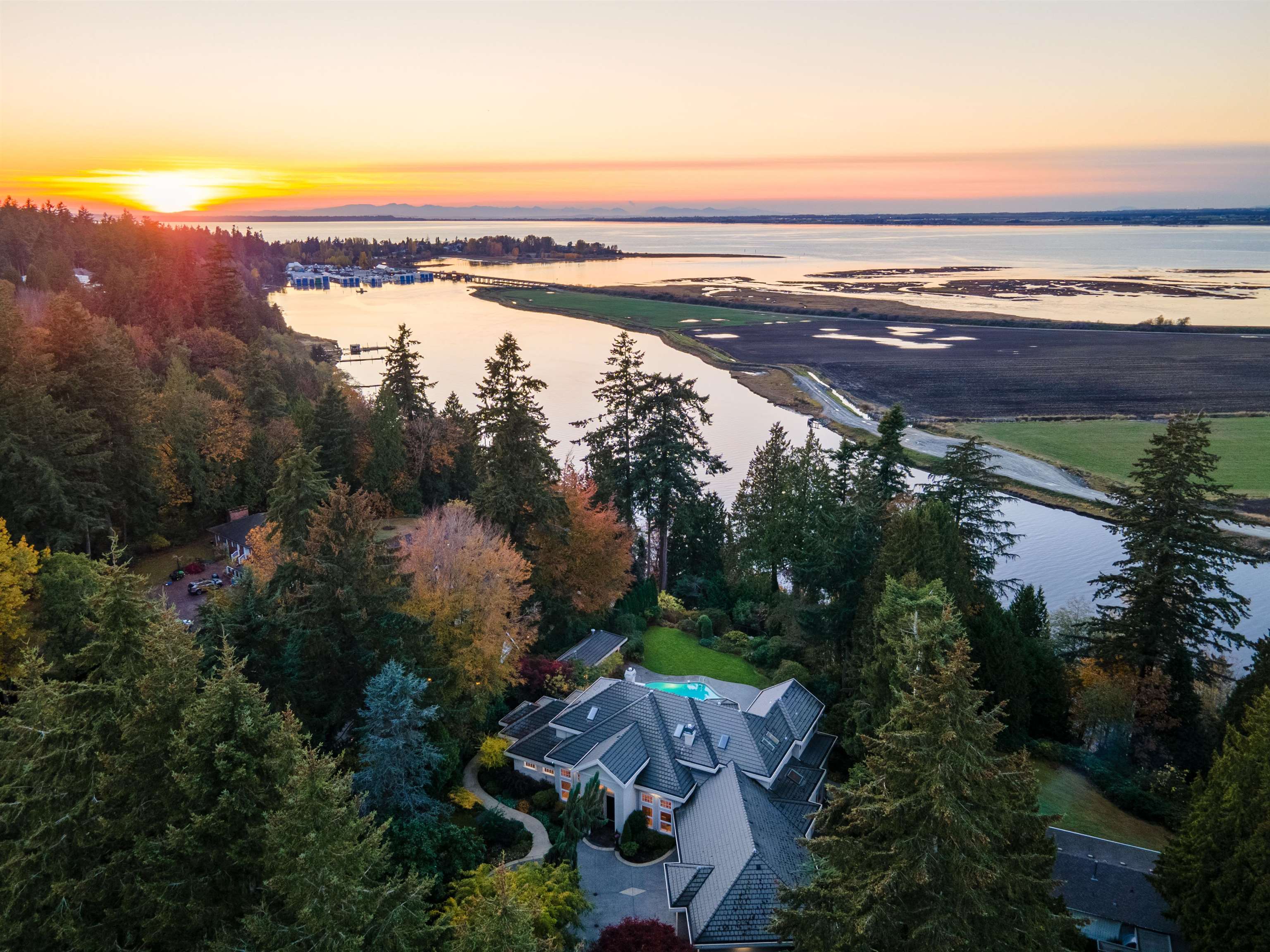
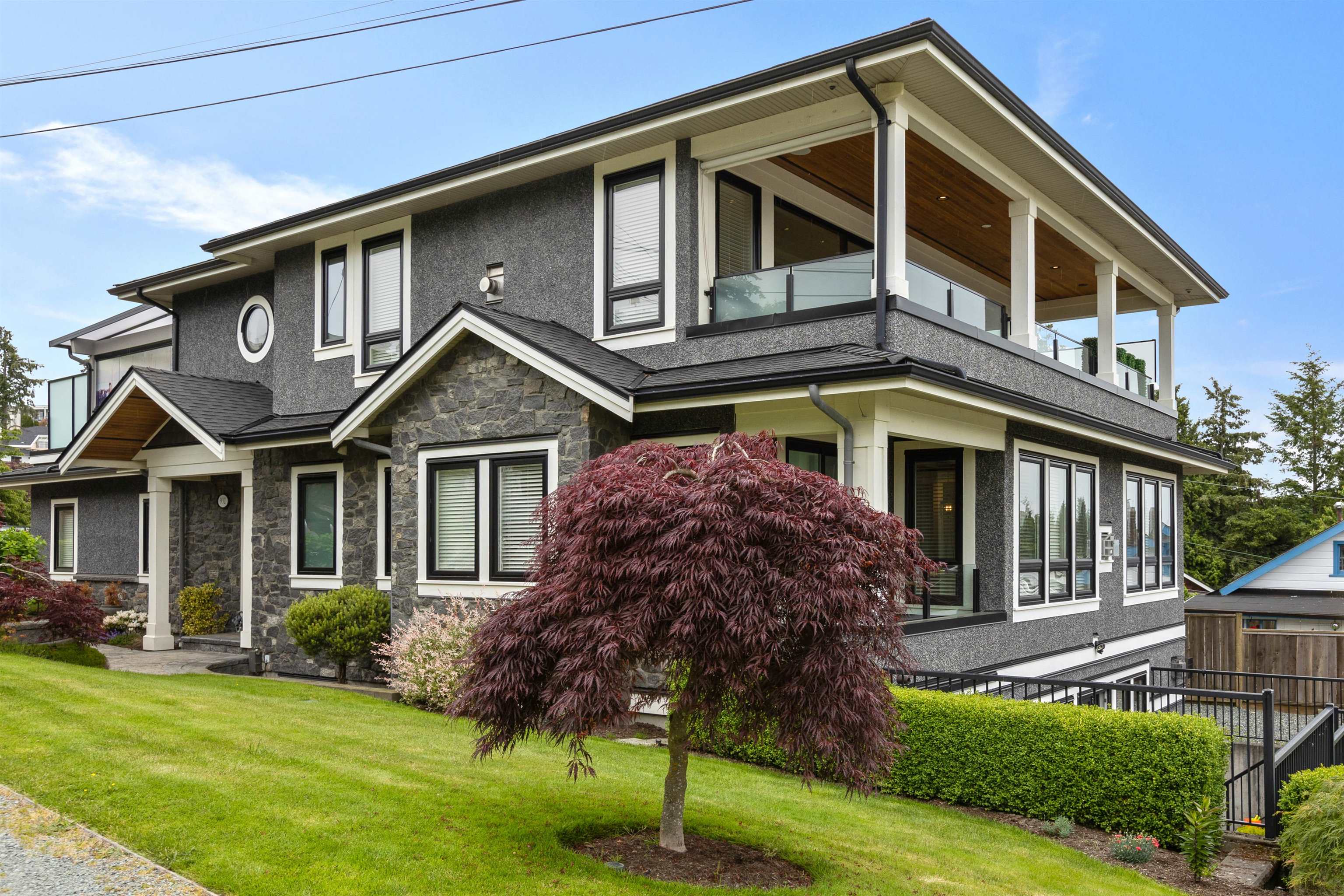
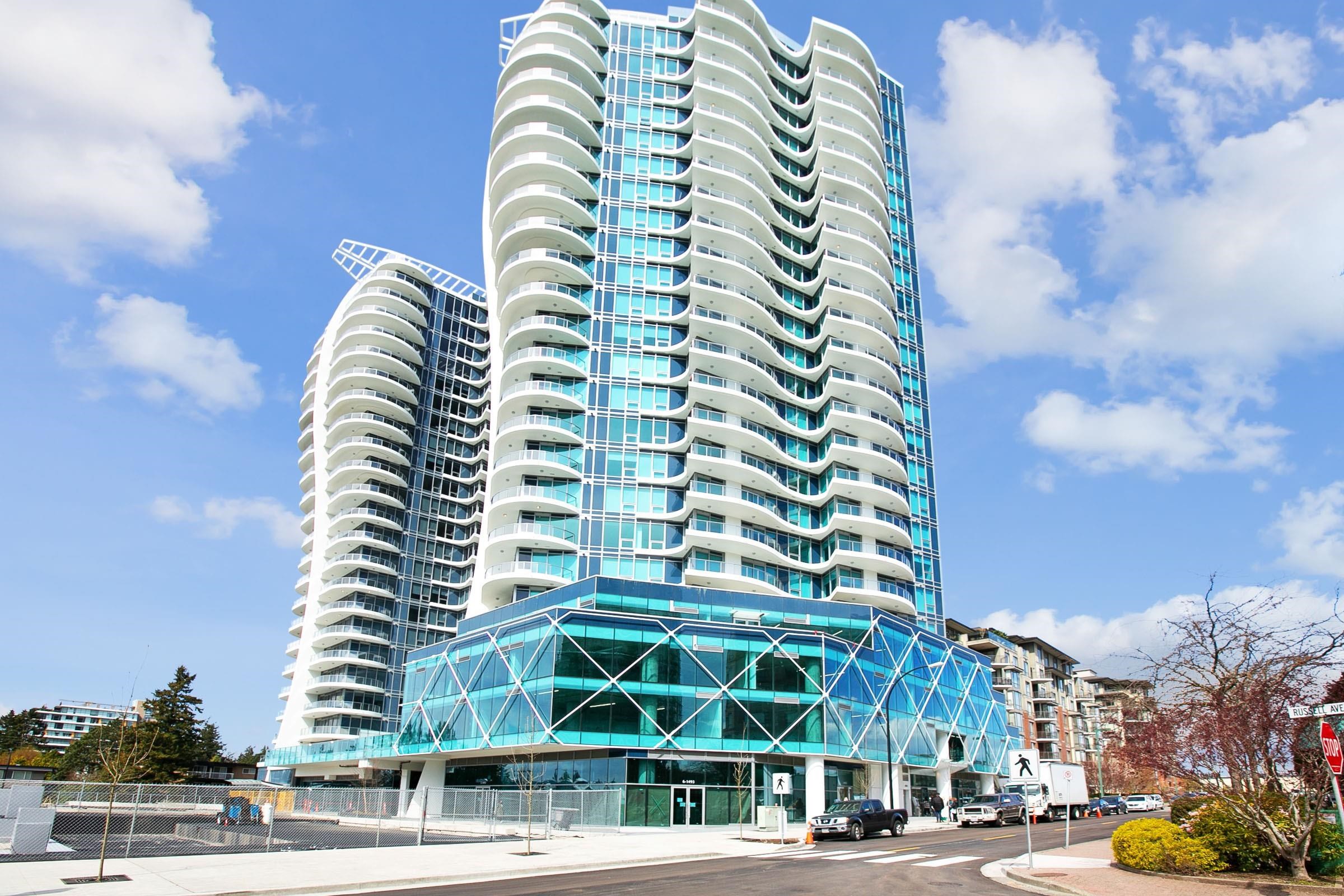
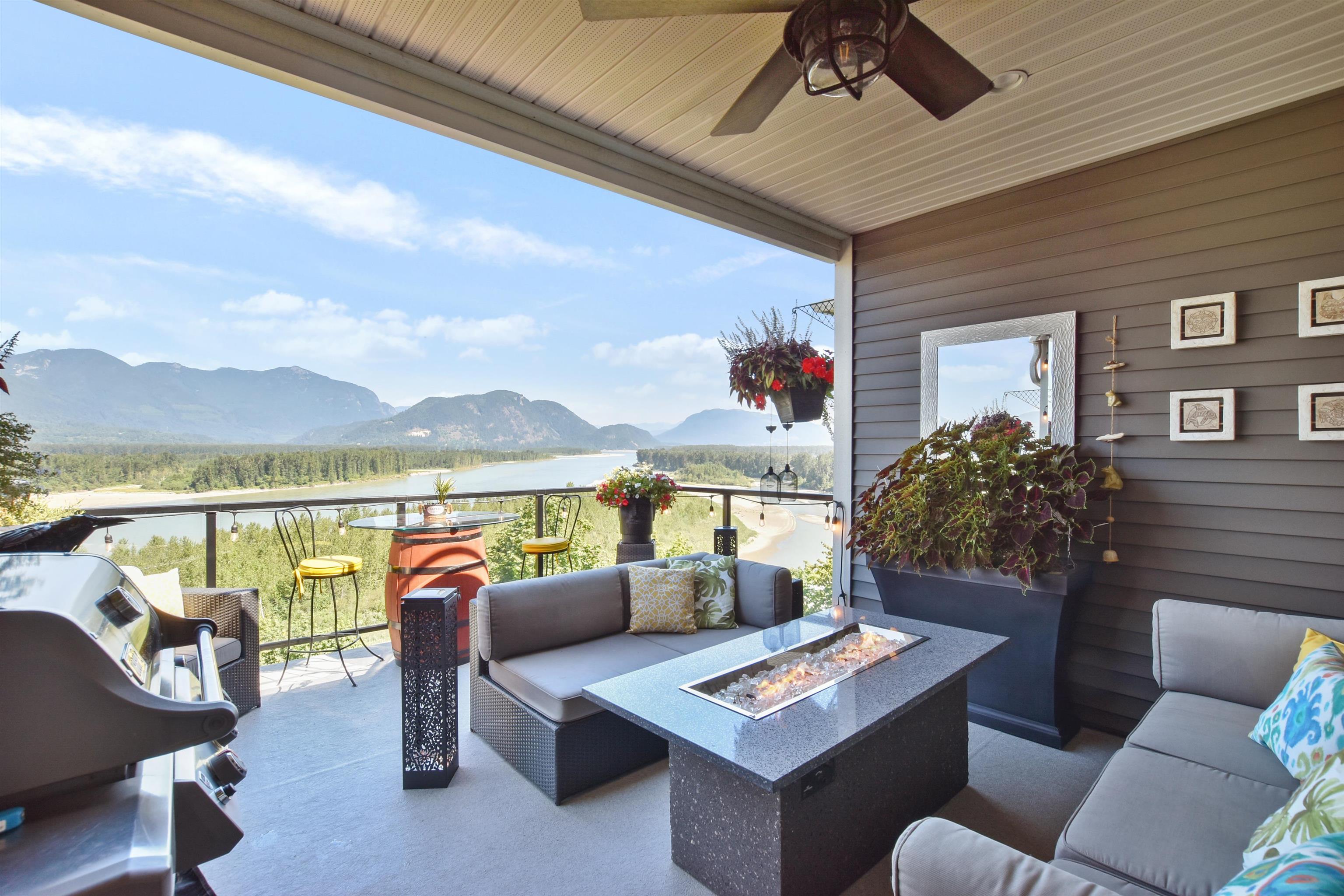
Karen has lived in White Rock BC since 1965. She has a special knowledge of the area, having watched the City by the Sea grow from a cottage town for Vancouverites, into a desirable housing destination due to its sunshine and proximity to beaches, the US border, three international airports, excellent schools and safety.
Karen became a Realtor®️ in 2008 after working in various sales and office environments. Karen specializes in White Rock/South Surrey & Fraser Valley residential properties and is excited to be associated with Sotheby’s International Realty Canada in White Rock and to be a part of this successful team of real estate professionals. Karen was active as a member of the Board of Directors on the Fraser Valley Real Estate Board for 5 years and is currently Chair of the Granting committee and Director of the Fraser Valley Realtors Charitable Foundation. Karen also chaired the Professional Standards Committee. Her sales volume saw her promoted to Senior Vice President. Years volunteer work as president of a local non-profit, Karen has been active within her community and has volunteered for many Rotary Int’l. events with her husband. Karen was also very active within the school system while raising her two children. Karen constantly seeks out new opportunities to grow her knowledge and expertise to better help her clients through the continuing education as well as external certifications such as Certified Negotiation Expert, and Certified Luxury Home Marketing Specialist.

Now licenced for 20 years and a background in sales and management for many years before that, joining Sotheby’s International Realty Canada in partnership with wife Karen was a natural step for Winston Conyers. His passion for bringing people together for real estate transactions is matched only by his passion for a better community through his work with Rotary International and many local community groups over the years.
Winston bases his business on two core values: building client trust and sharing a passionate knowledge of real estate. A versatile communicator and effective and charismatic representative, Winston understands that his clients are making a major investment of time, money and energy. He prides himself in working professionally and efficiently to make the experience enjoyable for buyers and profitable for sellers.
Winston works closely with his wife Karen, who sat on the Fraser Valley Real Estate Board for years, is a past chair of the ethics and professional standards committee, is a Certified Luxury Home Marketing Specialist and a Certified Negotiation Expert. Raising a blended family with 6 children in White Rock has brought a very specialized knowledge of the area, the school system, sports & cultural events and activities.


Sotheby’s International Realty,
#2 15621 Marine Drive,
White Rock BCV4B 1E1